
Bringing Flaky Bricks Back to Solid Beauty
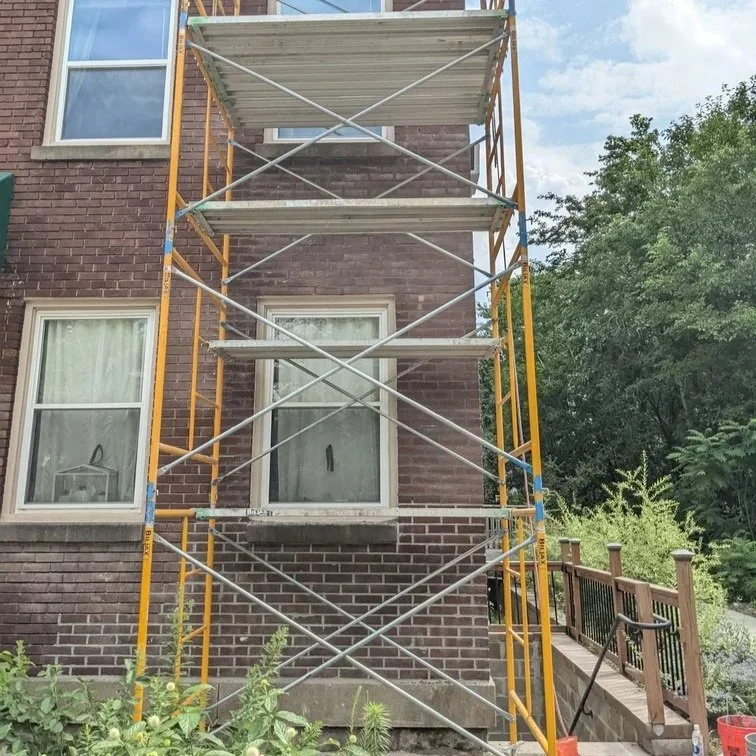
What looks like a minor cosmetic issue can quickly spiral into something deeper and more destructive without expert attention.
Bricks have a reputation for strength, but even the toughest exterior needs backup. When bricks begin flaking, cracking, or peeling, that charming brick façade starts looking less stately and more like it's trying to retire early. That outer shell—the part we count on to protect what's behind—begins to vanish one dusty layer at a time.
Spalling brick repair focuses on restoring not only the surface appeal of brickwork but also its ability to resist the elements. What looks like a minor cosmetic issue can quickly spiral into something deeper and more destructive without expert attention.
Understanding Spalling Without the Science Lecture
Spalling occurs when moisture seeps into a brick, causing trouble from the inside out. Water expands when it freezes. If it's trapped inside porous brick, the expanding ice pushes against the brick's face. The result? Chips, flakes, pits, and in some cases, complete disintegration.
It can also occur when bricks were fired poorly, installed without room to breathe, or combined with the wrong type of mortar. Either way, once spalling begins, more water seeps in—and the cycle accelerates.
Why Flaky Bricks Deserve Prompt Attention
Waiting on spalling brick repair is like ignoring a slow roof leak. It might seem harmless at first, but that moisture doesn't just evaporate politely. It seeps deeper. It softens mortar. It feeds mold. It freezes and thaws, over and over again. And it invites structural shifting that costs far more to correct.
Professionals don't just fix what's peeling—they investigate why it started. Drainage, freeze-thaw exposure, old flashing, or aggressive pressure washing might be contributing. Once those triggers are identified, the repair becomes more than a surface fix—it becomes a lasting solution.
Brick Replacement That Doesn't Stand Out
Swapping out damaged bricks isn't as simple as picking a brick from the pile and popping it into place. No one wants a patch that looks like a lipstick stain on a tuxedo. Matching bricks for color, size, and texture takes experience and a keen eye.
Professionals often track down salvaged bricks or create a transition pattern that visually blends new with old. If a perfect match isn't available, they camouflage the change with strategic placement and mortar tinting. Done correctly, the new bricks fade seamlessly into the original wall.
Mortar Mixes That Know Their Role
Mortar isn't there to show off. It's there to support, to flex a little, and to give bricks a comfortable place to settle. But when mortar is too hard or too soft for the brick it surrounds, spalling becomes more likely. Too stiff, and the mortar forces stress into the brick. Too weak, and water makes itself at home.
Spalling brick repair calls for a mortar blend that respects both tradition and function. Lime-based mortars offer flexibility and breathability, especially for older structures. Newer builds may benefit from Portland-based mixes, provided they're matched carefully to the brick's absorption rate.
The Tuckpointing Turnaround
Once the damaged bricks are replaced, the remaining joints still need attention. If the surrounding mortar is also compromised, a full tuckpointing process may be needed. That means grinding out the old material to a proper depth, cleaning the joint, and refilling with fresh, color-matched mortar.
Professionals bring a steady hand and a trowel that knows its job. They shape every joint for optimal weather resistance and a clean finish. The result isn't just better performance—it's symmetry that pleases the eye.
Preventing Spalling Before It Starts
While some bricks are more prone to spalling due to their manufacturing, others begin flaking due to their treatment. Water is always the root villain. Preventing spalling means controlling how water interacts with the brick in the first place.
Professionals examine every potential contributor: poorly sealed window lintels, blocked gutters, cracked flashing, missing weep holes, or downspouts that splash water at the base of the wall. Small adjustments, like redirecting a gutter or installing a drip edge, make a big difference when paired with expert repairs.
Chimneys: The Favorite Playground of Spalling
Chimneys are masonry overachievers. They stand taller, take more weather abuse, and rarely enjoy the luxury of shelter. They're also the first place where spalling becomes obvious—especially near the crown or flashing.
Professionals approach chimney repair with extra care. Often, that includes crown resurfacing, flashing replacement, or the application of a breathable, water-repellent coating. Repairs at that height demand scaffolding, specialized tools, and training in high-angle safety. Skipping a proper fix here means leaking fireplaces and crumbling stacks.
Interior Brick Faces Aren't Immune
It's easy to assume spalling happens only outdoors, but interior bricks in damp basements or poorly ventilated spaces can suffer too. Interior brickwork might not face snow, but it still battles condensation, groundwater, and inconsistent temperatures.
Repairing spalling indoors demands just as much care. Matching the texture and finish of bricks in visible living spaces requires finesse. Whether it's an exposed brick wall in a loft or a fireplace surround that's losing its charm, professional repair restores its personality and structural soundness.
No One Likes a Leaky Wall
When spalling affects bricks in load-bearing or exterior-facing walls, it increases the chances of water intrusion. Crumbling faces create pathways for rainwater, leading to wet insulation, warped drywall, and mold-friendly conditions.
Professionals not only replace damaged bricks but also often apply breathable sealants to repel future moisture. These aren't the glossy coatings from a hardware aisle—they're high-end, vapor-permeable products that let the brick breathe while redirecting water outward.
Spalling and Structural Shifts
What starts as cosmetic can influence structure over time. A wall full of spalling bricks doesn't distribute weight evenly. Foundation cracks, bowed walls, or leaning columns might follow, especially in older buildings where the masonry is part of the load-bearing system.
Professionals take spalling seriously because of what it might be covering. They inspect the area for underlying shifts, settling, or movement. When needed, they coordinate with structural experts to restore not only the wall's face but also its backbone.
Eco-Friendly Restoration Has a Role
Restoring a spalled wall is often far more eco-friendly than replacing it. Less waste, less energy consumption, and fewer new materials keep the project lean and green. Repair also retains the original aesthetic—a win for both sustainability and curb appeal.
Professionals often incorporate recycled materials when sourcing bricks or choose lime mortars that lower environmental impact. Their methods respect both the structure and the planet without compromising on performance.
Timing the Repair Right
Some repairs can wait until spring. Spalling rarely falls into that category. Left untreated over the winter, those flakes become holes. Bricks lose mass. Mortar washes out. The longer the wait, the more extensive the job becomes.
Professionals recommend acting before seasonal shifts—especially before freeze-thaw cycles ramp up. By handling repairs during drier months, they provide cleaner, longer-lasting results. When winter returns, those walls won't just survive—they'll stay stylish while doing it.
Blending the Old with the Beautiful
The best spalling brick repair doesn't shout for attention. It whispers strength. It blends new materials into the old without looking patched. It corrects the failure while honoring the design.
Professionals don't aim for novelty—they aim for invisibility. They restore the charm without compromising integrity. And in the process, they bring a flaky wall back to solid beauty, ready to face the seasons with quiet confidence.
Golden Stones Masonry offers reliable and professional tuckpointing & mortar joint repair, brick repair & restoration services, and interior basement tuckpointing & leak prevention services to homeowners in St. Paul, MN, and surrounding areas. Our team uses proven techniques to deliver long-lasting results. Licensed and insured. Call today.
