
The Impact of Minnesota Winters on Chimney Longevity
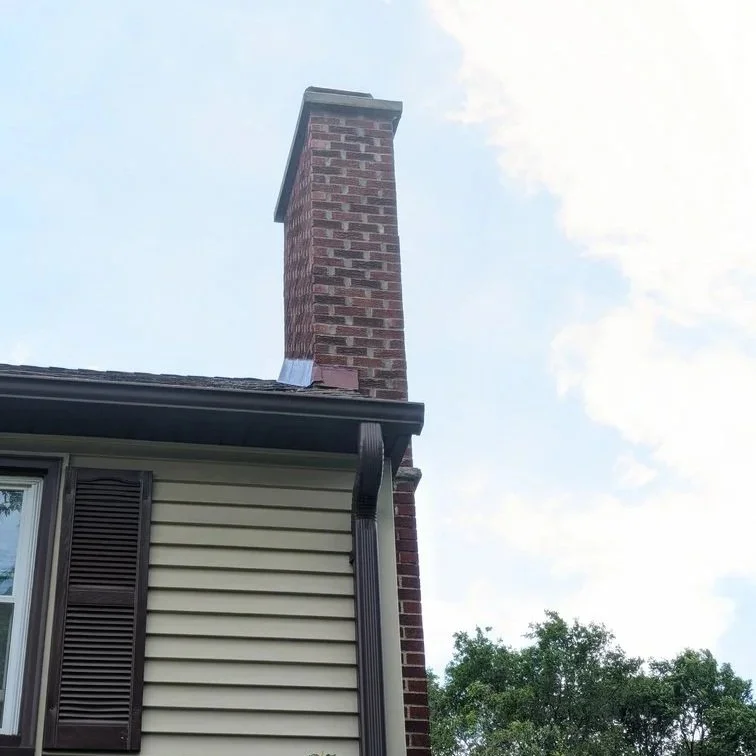
Minnesota winters challenge chimneys with snow, ice, and temperature swings, shortening their lifespan without proper maintenance.
Introduction: Why Minnesota Winters Are Hard on Chimneys
Minnesota winters are not subtle. They arrive early, linger late, and cycle relentlessly between freezing cold, brief thaws, snowstorms, ice, wind, and sub-zero temperatures. For chimneys, this combination is especially punishing. Chimneys stand above the roofline, fully exposed to the harshest elements, taking on wind loads, snow accumulation, ice buildup, and dramatic temperature swings day after day for months at a time.
Unlike walls or roofs, chimneys are often built from a mix of materials—brick, mortar, concrete, clay tile, and metal—that all react differently to moisture and temperature changes. Add the internal heat of fireplaces or heating appliances, and chimneys experience rapid heating and cooling that few other exterior structures endure. Over time, this constant stress shortens the chimney's lifespan if it is not managed carefully.
This guide explains how Minnesota winters affect chimney longevity, why damage develops the way it does, and what homeowners can do to protect their chimneys before minor problems become major structural or safety issues.
Understanding Minnesota’s Winter Climate and Its Effect on Masonry
Freeze-Thaw Cycles and Masonry Stress
Freeze-thaw cycles are the single biggest enemy of chimneys in cold climates. Water enters tiny cracks and pores in brick, mortar, and concrete. When temperatures drop below freezing, that water expands, widening cracks. When temperatures rise again, more water enters the newly enlarged openings. In Minnesota, this process repeats dozens or even hundreds of times in a single winter.
Older chimneys and those built with softer brick or traditional lime-based mortar are especially vulnerable, but even modern masonry will deteriorate if moisture is allowed to enter unchecked. Freeze-thaw damage does not happen overnight. It progresses slowly, season by season, until mortar crumbles, bricks crack, and structural integrity begins to suffer.
Snow, Ice, and Moisture Saturation
Heavy snowfall keeps chimney masonry wet for long periods. Snow piles against the chimney, melts during brief warm spells, and refreezes at night. This constant saturation accelerates freeze-thaw damage and pushes moisture deeper into the structure.
Ice dams and icicles often form near chimneys, especially where heat escapes around the chimney chase. Meltwater trapped by ice can be forced into flashing gaps, mortar joints, and crown cracks. Moisture management becomes the foundation of chimney longevity in Minnesota’s climate.
Wind Chill, Temperature Extremes, and Thermal Shock
Minnesota’s wind chill rapidly cools chimney exteriors, while fires inside can raise flue temperatures hundreds of degrees in minutes. This rapid change creates thermal shock—materials expanding and contracting quickly, sometimes unevenly.
Clay flue tiles, mortar joints, and metal liners all experience stress under these conditions. Metal expands and contracts at different rates than brick, which places extra strain on joints and seams. Over years of winters, thermal shock contributes to cracking, separation, and liner failure.
Chimney Components Most Vulnerable to Winter Damage
Brick and Stone: Spalling and Surface Breakdown
Spalling occurs when the surface of brick or stone flakes or pops off. It is most often caused by water trapped inside masonry freezing and expanding. Once the protective outer face is lost, the interior becomes even more absorbent, accelerating deterioration.
Stone chimneys can suffer similar damage, particularly when softer or layered stone is used. Even small areas of spalling should be taken seriously in Minnesota, because winter damage tends to spread quickly once it begins.
Mortar Joints: Cracking and Erosion
Mortar holds the chimney together and seals out water. Freeze-thaw cycles cause mortar to crack, dry out, and erode. Joints may recede deeply or crumble entirely, allowing more water into the structure.
Failing mortar joints are often the first visible sign of winter damage. Timely repointing can dramatically extend chimney life, but ignored joints can lead to loose bricks and structural instability.
Chimney Crown: A Major Water Entry Point
The chimney crown sheds water away from the masonry below. In Minnesota, crowns are under constant assault from freezing temperatures, sun exposure, and thermal cycling. Hairline cracks allow water in, which freezes and enlarges the damage.
Improperly sloped crowns that allow water to pool are especially vulnerable. Crown failure often leads to widespread chimney deterioration, rusted liners, and even interior leaks.
Flue Liners: Thermal Stress and Corrosion
Clay tile liners can crack or spall at joints due to repeated heating and cooling. Once cracked, they expose masonry to direct heat and creosote, increasing fire risk.
Metal liners face a different threat: condensation. In extreme cold, flue gases cool quickly, allowing acidic moisture to condense on liner walls. Over time, this can lead to corrosion, pitting, and eventual failure if left unchecked.
Metal Components: Caps, Flashing, and Covers
Caps, flashing, and chase covers endure snow load, ice, wind, and freeze-thaw movement. Rust, warping, loose fasteners, and gaps are common winter-related failures. When metal components fail, water and pests gain easy access to the chimney system.
How Winter Damage Develops Over Time
Early Stage: Hairline Cracks
The first signs of winter damage are small cracks in mortar, crowns, or brick faces. These are easy to miss and often dismissed, but they mark the start of moisture intrusion.
Middle Stage: Spalling and Erosion
After one or two harsh winters, damage becomes visible. Mortar crumbles, bricks flake, and crown surfaces pit. Pieces of masonry may appear on the roof or ground. Repairs are still effective at this stage, but delays increase the cost.
Advanced Stage: Structural Compromise
Left unchecked, winter damage can lead to loose bricks, leaning chimneys, interior leaks, mold, and increased fire risk. At this point, partial or full chimney rebuilds may be necessary to restore safety.
Moisture Intrusion: The Root Cause
Water enters chimneys through cracked crowns, open mortar joints, porous brick, failed flashing, missing caps, and gaps around flue tiles. Once inside, moisture fuels freeze-thaw damage, corrosion, and acidic creosote reactions.
Inside the flue, moisture, when mixed with soot and creosote, forms corrosive compounds that attack liners and mortar. Condensation increases in cold weather, especially in oversized or uninsulated flues.
Water does not always stay inside the chimney. It can migrate into attic insulation, roof decking, and interior walls, leading to staining, peeling paint, and mold. Interior water stains near chimneys after winter storms should never be ignored.
Draft Performance in Extreme Cold
Cold Air Blockage and Backdrafting
In very cold weather, unused chimneys can fill with dense cold air. When a fire starts, smoke may initially spill into the room rather than rise. This backdrafting is common in Minnesota and can pose health risks.
Outdoor Temperature and Draft Strength
Once warmed, chimneys often draft strongly in cold weather, but poorly insulated or oversized flues may struggle. Signs include smoky fires, lingering odors, and heavy creosote buildup.
Condensation and Ice Inside the Flue
Warm exhaust gases cooling too quickly can condense—and sometimes freeze—inside the flue. This damages liners and increases corrosion risk, especially with high-efficiency appliances vented into older chimneys.
Preventive Maintenance Through the Seasons
Before Winter
Inspect the chimney exterior from the ground for cracks, spalling, leaning, crown damage, rusted caps, and flashing issues. Schedule a professional inspection and sweeping in late summer or early fall, before repairs become difficult in cold weather.
During Winter
Watch for changes in draft, new odors, rattling caps, or water stains after storms or thaws. Burn seasoned wood, avoid over-firing, and maintain steady fires to reduce thermal stress and creosote buildup.
After Winter
Check for new damage once the snow melts. Look for fresh cracks, increased spalling, loose bricks, and interior moisture signs. Schedule repairs promptly in spring to prevent another freeze-thaw cycle from worsening the damage.
Protective Upgrades That Extend Chimney Life
Quality Chimney Caps
Durable caps made from stainless steel or copper help keep snow, rain, animals, and debris out of the flue. In Minnesota, a good cap also reduces downdrafts and snow entry.
Strong, Well-Built Crowns
Properly designed crowns with slope, thickness, reinforcement, and drip edges dramatically reduce water intrusion. In cold climates, a robust crown is one of the most valuable chimney investments.
Breathable Masonry Water Repellents
Silane or siloxane-based water repellents reduce water absorption while allowing vapor to escape. Applied correctly, they slow freeze-thaw damage without trapping moisture.
Insulated Flue Liners
Relining with insulated liners improves draft, reduces condensation, lowers creosote formation, and protects masonry. In Minnesota winters, insulation is a major factor in liner longevity.
Snow, Ice, and Wind Management
Snow accumulation around chimneys keeps masonry wet and stresses flashing. Safe snow removal from the ground and professional roof services reduce risk. Ice dams near chimneys increase the potential for leaks and should be addressed through insulation, air sealing, and proper flashing.
Wind loads can loosen weakened chimneys. Leaning, separation, or rattling during storms are signs that professional evaluation is needed.
Recognizing Early Warning Signs
Exterior signs include spalling bricks, cracked mortar, leaning, crown damage, rust stains, and failing flashing. Interior signs include water stains, musty odors, cracked firebox bricks, rusted dampers, and draft changes. Attic inspections may reveal wet insulation, mold, or damaged roof decking near the chimney.
Any sign of structural movement, falling masonry, heavy leaks, smoke backdrafting, or carbon monoxide concerns warrants immediate professional help.
Working With Minnesota Chimney Professionals
Qualified professionals understand freeze-thaw climates, local codes, and proper materials. A thorough inspection may include visual checks, flue camera scans, and documentation of damage. Decisions between repair and rebuild depend on age, extent of damage, and history of recurring problems.
Because Minnesota’s warm season is short, planning chimney work early is important. Proactive maintenance and phased upgrades are far easier than emergency repairs during winter.
Conclusion: Protecting Chimneys Through Minnesota Winters
Minnesota winters subject chimneys to relentless stress: freeze-thaw cycles, snow and ice saturation, extreme temperature swings, and heavy seasonal use. Brick, mortar, crowns, liners, and metal components all suffer when moisture and thermal stress are not controlled.
The path to long chimney life in this climate is proactive care. Seasonal inspections, regular sweeping, timely masonry repairs, moisture management, and strategic upgrades like caps, crowns, and insulated liners make a measurable difference. When combined with smart burning practices and professional guidance, these steps turn a vulnerable chimney into a durable system that can safely serve the home for decades.
Chimney Inspection & Winter Damage FAQs Minnesota
At least once a year, with more frequent sweeping for heavy-use systems.
New cracks, spalling, water stains, rust, draft changes, and interior odors.
No. Only breathable masonry-specific repellents are suitable for freeze-thaw climates.
Use should stop if structural damage, leaks, draft failures, or safety concerns are present until a professional evaluates the chimney.
Trust Golden Stone Masonry in St. Paul, MN, for professional chimney repair, foundation masonry repair, tuckpointing & mortar joint repair, and brick repair & restoration services. Our team works hard to restore strength and prevent moisture intrusion. Ours is a licensed and insured company offering a 10-year warranty. Get your free estimate today.
